
No-Till Seed Drill for Food Plots
Here at Legendare, we’re down-home people like you. At heart, we’re farmers and hunters. We care for the land and we appreciate things that are made to work well. That’s why we designed our seed drills as we did.
We build each Legendare drill for convenient, dependable performance in any soil or condition. Intuitive controls, accurate seed placement, and time-saving features let you focus on what matters most: a successful harvest and the enjoyment of every moment you spend outdoors.
We Did the Hard Work for You: A Features Demonstration
Watch how the Legendare no-till drill takes the hassle out of habitat management. In this demonstration, we walk you through the intuitive features designed to make planting feel like play, not work.
Engineered for Consistent Field Performance
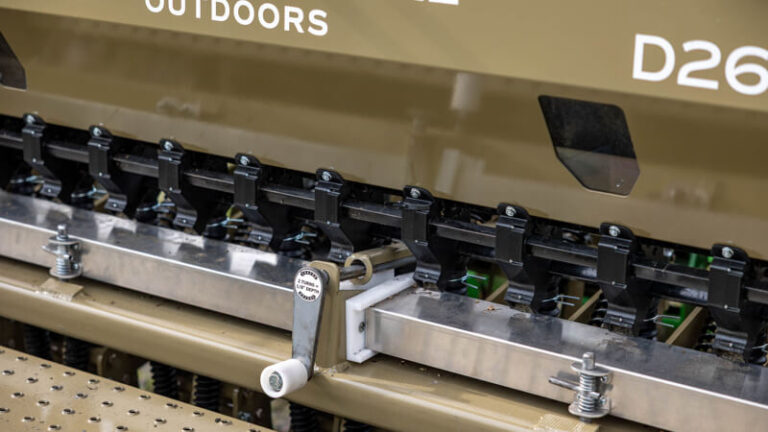
Uncomplicated Seed Depth Adjustment
When the time comes to change seed depth, you don’t want to crawl under the drill to make adjustments. With Legendare, you don’t have to. One conveniently-located crank on the back of the drill sets the depth for every row, all at once.
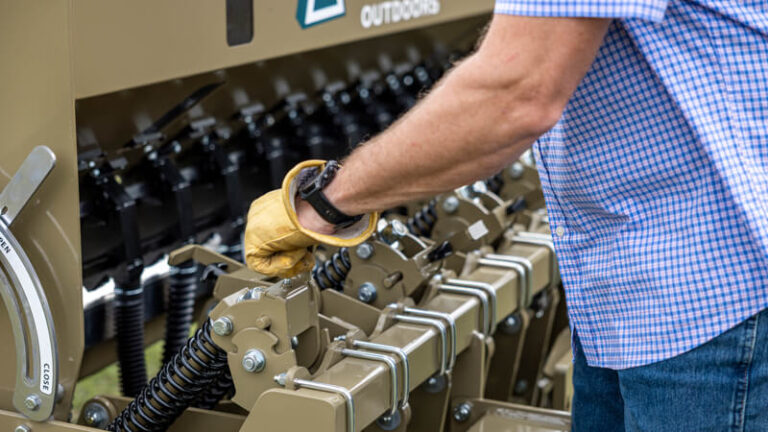
Row Spacing and Corn Planting Made Easy
Legendare rows are set 6” apart. But what if you want to plant on 12” spacing? or 30”? Simple again. With our exclusive Row Lockup™ feature, simply raise the row units you won’t be using to create more focused downforce on the rows you are planting.
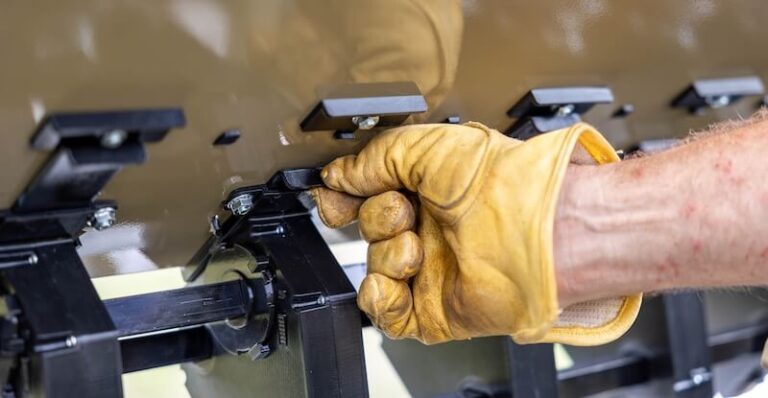
Simplicity by Design
New to seed drills? That’s ok. We’ve designed them with simplicity in mind. For instance, individual seed gates on the outside of the seed box allow you to easily choose row spacing. Adjustments and maintenance are straightforward and practical so you can focus on planting rather than troubleshooting.
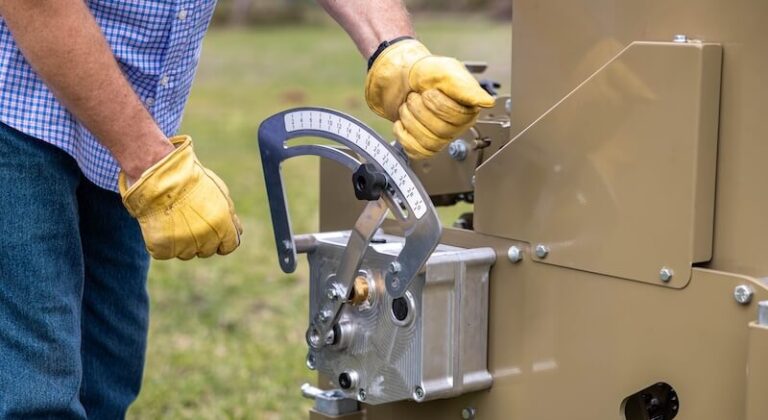
Controlled Rate Seed Metering System
You spend enough on gear. So there’s no sense wasting money on excess seed. You also don’t want to spread it too thin. Good news: We’ve made calibration and metering (almost) foolproof. Simple adjustments for food plot success.
Technical Specifications
| Model | D2605 | D2606 | D2608 |
|---|---|---|---|
| Planting Width | 60” | 72” | 90” |
| Row Spacing | 6" | 6" | 6" |
| Number of Rows | 10 | 12 | 15 |
| Row Lockups™ | Yes | Yes | Yes |
| Seed Box Capacity | 6.6 Bushel | 8 Bushel | 10 Bushel |
| Dimensions W x L x H | 72" x 47" x 57" | 84" x 47" x 57" | 102" x 47" x 57" |
| Weight | 1800 LB | 2100 LB | 2500 LB |
| 3 pt Hitch | Cat 1 or 2 | Cat 1 or 2 | Cat 1 or 2 |
| Recommended Tractor Size | 35 HP | 45 HP | 60 HP |
| Recommended Tractor Lift Capacity | 2200 LB @ 24" | 2600 LB @ 24" | 3100 LB @ 24" |
| Side Fork Pockets | Yes | Yes | Yes |
Rugged, No-Till Drills for Hobby Farms, Pastures, and More
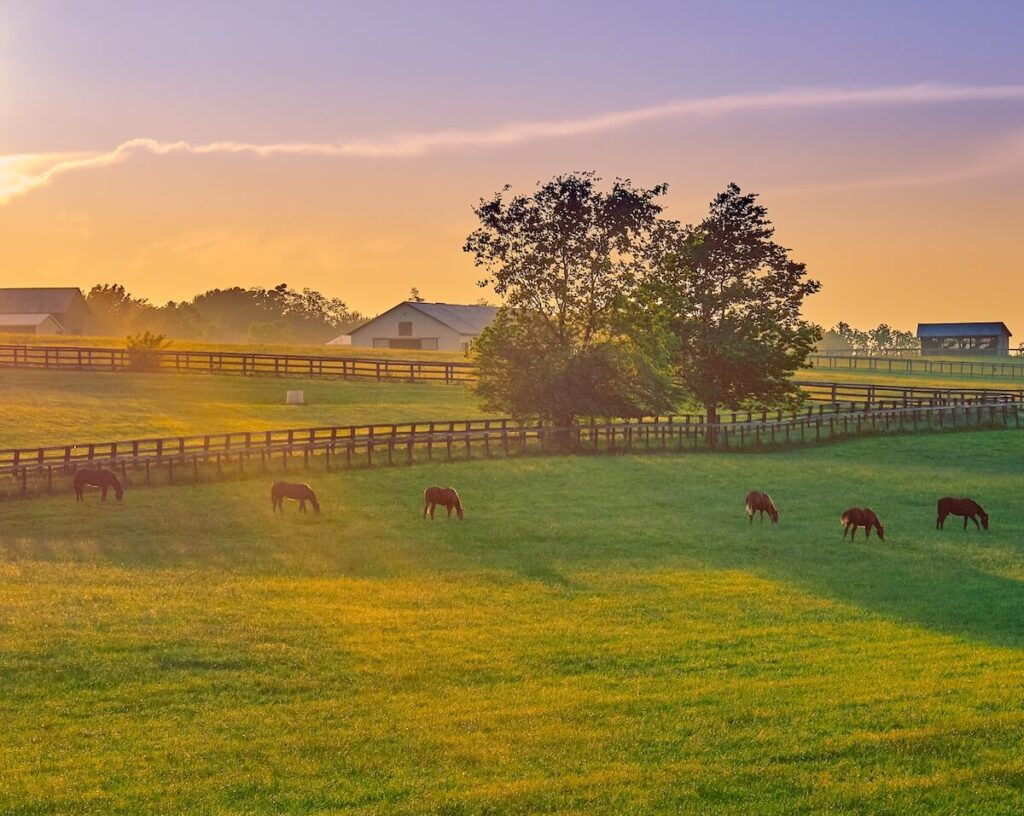
Not a hunter? You can still use a Legendare.
Food plots, seed drills, and hunting. The words just go together. But even though we built these drills for hunters, you don’t need a deer tag to buy one.
Our 5′, 6′, and 7.5′ drills are ideal for a number of planting needs.
Are you a small-scale farmer? With a 35 HP tractor and a Legendare, you are well on your way to no-till growing, preserving the soil as you feed your family.
Running a small livestock, horse, or dairy operation? Keep your pastures primed with a Legendare drill.
Conservation land, wildlife habitat, and more. If you’ve got acreage and a need to plant, there’s a good chance Legendare will make your life easier and give you the results you’re looking for.
Frequently Asked Questions
Is a no-till drill worth it for food plots?
Yes — a no-till drill is worth it for food plots when better emergence and seed efficiency matter. Broadcasting your seed may seem easier, but it often produces uneven depth and inconsistent germination.
A drill designed with controlled depth, accurate metering, and proper downforce places seed where it performs best. That consistency improves stand uniformity, reduces seed waste, and strengthens long-term plot results. For landowners focused on reliable performance rather than trial-and-error planting, the added control and predictability often justify the investment.
What should I look for when evaluating a no-till drill?
When evaluating a no-till drill, focus on consistent planting depth, adjustable downforce, and accurate seed rate control. These factors directly influence penetration, seed placement, and uniform emergence.
Consistent depth across every row is critical for strong stand establishment. Adjustable downforce helps maintain penetration in compacted or residue-heavy soil. A dependable metering system ensures even distribution without waste. Structural durability also matters, especially if you expect reliable performance in demanding field conditions.
How does drill design protect my limited planting window?
Drill design protects your limited planting window by maintaining consistent depth and penetration when soil conditions are less than ideal. In no-till planting, weather and timing often leave little room for error.
A drill built with adequate weight, adjustable downforce, and centralized depth control reduces the risk of shallow placement and uneven emergence. Consistent seed-to-soil contact helps avoid costly rework and missed opportunities. Even though we cannot control the weather, equipment designed for dependable performance protects both your seed investment and your planting schedule.
Will a no-till drill work in hard clay soil?
Yes — a no-till drill can work in hard clay soil, but only if it maintains consistent penetration and planting depth under resistance. In compacted or drought-hardened clay, insufficient downforce leads to shallow placement and uneven emergence.
Hard clay exposes the difference between lighter drills and structurally-reinforced equipment. Adequate weight and an adjustable downforce are essential for maintaining uniform seed-to-soil contact across every row. When soil density increases, depth consistency directly impacts emergence, stand strength, and overall plot performance.
What size tractor do I need for a no-till drill?
Legendare no-till drills require matching both horsepower and three-point lift capacity to the drill’s weight. Proper tractor sizing ensures stable handling, consistent penetration, and dependable planting performance.
- The 60” model (1,800 lb) is recommended for 35 HP tractors with at least 2,200 lb lift capacity.
- The 72” model (2,100 lb) requires approximately 45 HP and 2,600 lb lift capacity.
- The 90” model (2,500 lb) is best suited for 60 HP tractors with 3,100 lb lift capacity.